
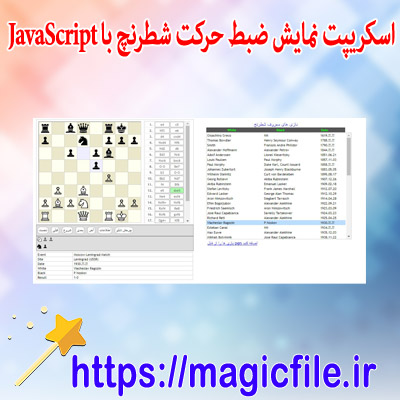
CHESS PGN-VIEWER: AN IN-DEPTH EXPLORATION
Introduction to Chess PGN-Viewer
In the expansive universe of chess, where strategic brilliance and tactical finesse converge, technology plays a vital role in enhancing the experience of players and enthusiasts alike. Among the myriad tools available, the Chess PGN-Viewer stands out as an indispensable application for anyone seeking to analyze, review, or share chess games efficiently. But what exactly is a Chess PGN-Viewer? How does it function, and why does it hold such importance in modern chess culture? To truly grasp its significance, we need to delve into its origin, features, and the broader context within the chess community.
Understanding the PGN Format
Before exploring the viewer itself, it's essential to understand the PGN format. PGN, short for Portable Game Notation, is a plain-text format designed to record the moves, annotations, and metadata of chess games. Created to facilitate the easy sharing and archiving of games, PGN files are universally recognized across chess platforms, software, and online communities.
These files contain not only the sequence of moves but also critical information such as player names, event details, dates, and commentary. This comprehensive encapsulation allows players and analysts to revisit and dissect games at any time, fostering learning and improvement.
What Is a Chess PGN-Viewer?
A Chess PGN-Viewer, therefore, is a specialized software application or online tool that reads PGN files and displays the recorded game visually. Unlike merely viewing move sequences in text, a PGN-Viewer renders the game on a virtual chessboard, allowing users to follow the progression of moves interactively.
Moreover, these viewers often come equipped with features that enable users to navigate through moves seamlessly, analyze positions with engines, add annotations, and even export the game in various formats. Essentially, they serve as digital microscopes, revealing the intricate details of each move, strategic decision, and tactical motif embedded within a game.
Core Features of a Typical PGN-Viewer
The sophistication of PGN-Viewers varies considerably, but most share a core set of features that make them invaluable:
1. Interactive Game Playback: Users can step through moves one by one, jump to specific positions, or replay entire games at different speeds. This flexibility is crucial for thorough analysis.
2. Highlighting and Annotations: Many viewers allow users to mark key moves, add comments, or annotate positions, fostering a deeper understanding of game dynamics.
3. Engine Integration: Advanced viewers incorporate chess engines like Stockfish or Komodo, providing real-time analysis, move suggestions, and evaluation scores.
4. Multiple Game Support: Some platforms permit loading multiple PGN files simultaneously, aiding in comparative analysis or database management.
5. User-Friendly Interface: With intuitive controls, drag-and-drop functionality, and customizable boards, these tools cater to both beginners and seasoned players.
6. Export and Sharing Capabilities: Users can export annotated games, create printable reports, or share games directly via links or embedded code.
7. Search and Filter Options: Effective PGN-Viewers enable searching within complex databases, filtering games by player, opening, or tournament.
8. Compatibility Across Devices: Many are web-based, accessible from any device with an internet connection, while desktop applications are also prevalent.
Types of Chess PGN-Viewers
In the realm of chess software, PGN-Viewers come in various forms, each tailored to specific needs:
- Online Web-Based Viewers: These are accessible directly through browsers without installation. Examples include Chess.com’s analysis tools and Lichess.org’s game explorer.
- Desktop Applications: Programs like ChessBase, Scid vs. PC, or Arena offer extensive features and often integrate with large databases, suitable for professional analysis.
- Mobile Apps: For on-the-go analysis, apps for iOS and Android devices provide convenient access to PGN files with touch-based interfaces.
- Embedded Viewers: Many websites embed PGN-Viewers within articles or tutorials, facilitating interactive learning.
The Role of PGN-Viewers in Chess Education and Analysis
The importance of PGN-Viewers extends beyond mere game visualization. They serve as educational platforms, analysis tools, and research repositories. For players striving to improve, reviewing their own games with a PGN-Viewer highlights mistakes and missed opportunities. Simultaneously, studying historical games or famous battles from grandmasters becomes accessible and engaging.
Furthermore, the ability to annotate and share games fosters community interaction. Coaches and students can exchange insights, commentaries, and improvements seamlessly. As artificial intelligence advances, the integration of engines within PGN-Viewers enables deeper tactical analysis, opening new avenues for learning.
Advantages of Using a PGN-Viewer
The benefits are numerous and compelling:
- Enhanced Understanding: Visualizing moves helps in grasping complex concepts like tactics, endgames, and openings.
- Efficiency: Quickly navigating through games saves time during analysis sessions.
- Comprehensiveness: Access to annotations, comments, and engine evaluations provides a holistic view.
- Portability: Digital formats and online tools make games accessible anytime, anywhere.
- Community Building: Sharing and discussing games promotes learning and camaraderie among players.
Challenges and Limitations
Despite their versatility, PGN-Viewers face certain challenges. Compatibility issues may arise with older files or proprietary formats. Overreliance on engine analysis might diminish intuitive understanding. Additionally, some advanced features require significant computational resources, limiting accessibility on low-end devices.
Furthermore, the quality and user experience vary widely among free and paid tools. Navigating this landscape requires discernment and knowledge of one's specific needs.
Future Directions and Innovations
The evolution of PGN-Viewers continues at a brisk pace. Emerging trends include cloud-based analysis, deeper integration with online platforms, and the incorporation of machine learning algorithms. These innovations aim to provide more personalized insights, adaptive training modules, and real-time coaching.
Moreover, augmented reality (AR) and virtual reality (VR) integration could revolutionize how players interact with game data, making analysis more immersive and intuitive.
Conclusion
In essence, a Chess PGN-Viewer is far more than just a tool for viewing move sequences; it represents a bridge between raw data and human understanding. Its capacity to visualize, analyze, annotate, and share chess games makes it an invaluable asset for players, coaches, and enthusiasts. As technology advances, these tools will undoubtedly become even more sophisticated, fostering a richer, more connected chess community worldwide.
Error, Try Again