

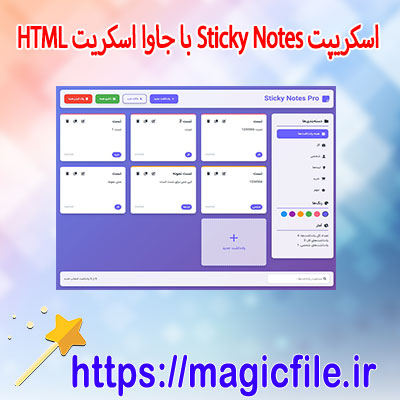
STICKY NOTES: AN IN-DEPTH EXPLORATION
INTRODUCTION TO STICKY NOTES
Sticky notes, also known as adhesive notes or Post-it notes, are small pieces of paper with a re-adherable strip of adhesive on the back. These versatile tools have revolutionized the way people organize, communicate, and brainstorm ideas across various settings—from office environments to personal homes. Their simplicity, portability, and ease of use make sticky notes an indispensable part of modern life. But beyond their surface, sticky notes embody a fascinating blend of design innovation, psychological impact, and practical functionality, which warrants a comprehensive exploration.
HISTORY AND ORIGINS
The story of sticky notes begins in the 1970s, rooted in the inventive mind of Spencer Silver, a scientist working for 3M. Silver was attempting to develop a super-strong adhesive but instead created a weak, pressure-sensitive adhesive that could be repositioned multiple times without losing its stickiness. This seemingly minor breakthrough was initially considered insignificant, but it laid the foundation for what would eventually become the Post-it note.
It wasn’t until Art Fry, another 3M scientist, realized that the adhesive could be used to anchor notes to surfaces without leaving residue, that the product truly took shape. Fry envisioned a reusable bookmark that wouldn’t damage pages—leading to the birth of the sticky note. After extensive testing, development, and marketing efforts, the product was launched in 1980, and the rest, as they say, is history.
DESIGN AND MATERIALS
At their core, sticky notes are crafted from lightweight, absorbent paper or paperboard, typically measuring around 3 inches by 3 inches, although sizes vary considerably. The key component, of course, is the adhesive strip—crafted from acrylic or similar substances—that provides just enough tackiness to attach securely yet allows easy removal without tearing the paper or damaging surfaces.
The design of sticky notes emphasizes simplicity and functionality. Usually, they come in bright, eye-catching colors—yellow, pink, green, blue—to attract attention and differentiate categories or priorities. Some variants feature lined, grid, or blank surfaces to facilitate writing, doodling, or diagramming. Additionally, many modern versions incorporate features like flags, tabs, or flags with markers, enhancing their utility in organizing and highlighting specific information.
VARIETY AND ADVANCED FORMS
Over time, the basic sticky note has evolved into a multitude of specialized forms tailored for various needs. For instance, there are large-format notes designed for presentations or brainstorming sessions, and mini notes crafted for quick reminders or labeling.
Moreover, innovative variants include waterproof or weather-resistant sticky notes, ideal for outdoor use or environments prone to moisture. Magnetic sticky notes can adhere to metallic surfaces, expanding their functionality in workshops or industrial settings. Eco-friendly options, made from recycled materials or biodegradable substances, cater to environmentally conscious users.
Some brands have introduced digital equivalents, integrating the concept into mobile apps or computer interfaces—allowing users to place virtual sticky notes on screens, which can be synced across devices, shared, or stored for future reference.
USAGE IN PERSONAL AND PROFESSIONAL CONTEXTS
The application of sticky notes spans an incredibly broad spectrum. In personal life, they serve as reminders for daily tasks, shopping lists, motivational quotes, or even small artworks. Their tactile nature provides a satisfying, immediate way to jot down thoughts quickly, then stick them in visible spots—like mirrors, refrigerators, or desks—ensuring they’re always within sight.
In the professional realm, sticky notes are essential for brainstorming sessions, project planning, and workflow management. They facilitate a visual approach to organizing ideas, enabling teams to cluster related notes, prioritize tasks, or map out processes dynamically. For example, in agile project management, sticky notes are often used on whiteboards or walls to represent tasks, statuses, or obstacles, fostering collaboration and transparency.
Educational environments also leverage sticky notes for interactive learning, allowing students and teachers to annotate, highlight, or organize information effectively. In creative industries, they assist in storyboarding, design thinking, and idea generation. Their flexibility encourages spontaneous thinking, which can lead to innovative solutions and breakthroughs.
PSYCHOLOGICAL AND COGNITIVE IMPACT
One of the most compelling reasons for the popularity of sticky notes is their influence on human cognition. The act of physically writing and placing notes enhances memory retention and engagement. Visual cues provided by colorful notes help prioritize information and reduce cognitive overload.
Furthermore, sticky notes foster a sense of control and organization. They allow users to compartmentalize tasks, track progress, and set reminders without feeling overwhelmed. The tactile, hands-on process stimulates the brain’s kinesthetic learning pathways, making information more memorable.
The social aspect also plays a role—sticky notes facilitate communication among team members or family members, acting as non-verbal messages that convey urgency, humor, or encouragement. Their temporary, non-permanent nature helps reduce anxiety associated with more formal or permanent reminders, making them an effective tool for managing daily routines.
ADVANTAGES AND LIMITATIONS
The advantages of sticky notes are numerous—simplicity, affordability, portability, and versatility among them. They require no special skills to use and can be employed in countless ways. Their immediacy inspires spontaneous thought and quick action, a quality that digital tools sometimes lack.
However, they are not without limitations. Overuse or cluttering can lead to chaos rather than clarity, especially if notes are not organized or discarded regularly. Environmental factors, such as moisture or dust, can reduce adhesion over time. Additionally, physical notes can be lost or overlooked, especially if not strategically placed.
In digital contexts, while virtual sticky notes offer convenience, they may lack the tactile satisfaction and immediacy of physical notes. Dependence on technology also introduces vulnerabilities like data loss or device failure.
CONCLUSION: THE ENDURING APPEAL OF STICKY NOTES
Despite the advent of sophisticated digital organization systems, sticky notes retain a unique charm and utility. Their tangible nature, vibrant colors, and flexibility continue to make them relevant. They embody a simple yet powerful concept: the ability to organize thoughts, communicate, and inspire in a way that feels immediate and personal.
From their humble beginnings as a failed adhesive to their role as a staple in offices, classrooms, and homes worldwide, sticky notes exemplify how small innovations can have profound impacts. Their enduring appeal lies in their capacity to adapt, inspire, and facilitate human connection—one note at a time.